- Bearish Banter
- Posts
- Netflix and Bill: The Hidden Costs of Comfort in Tough Times
Netflix and Bill: The Hidden Costs of Comfort in Tough Times

Bearish Banter
January 21, 2025
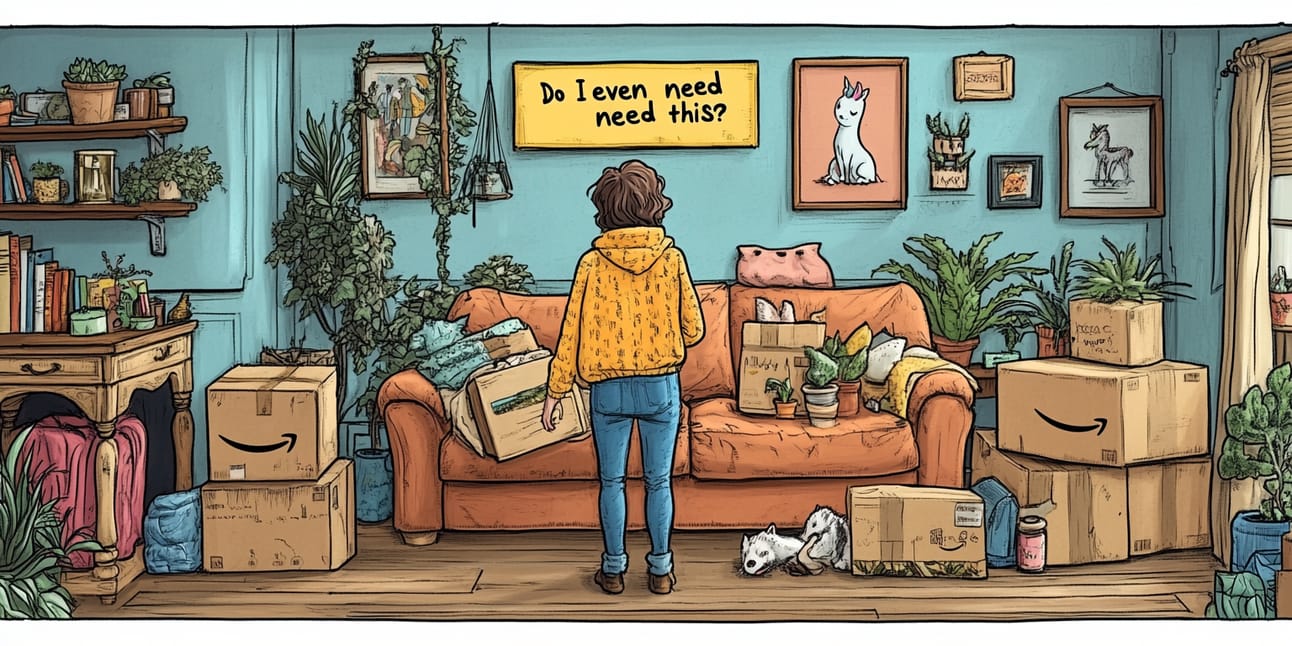
We’re all just one pizza delivery and a ‘Skip Intro’ button away from utter financial chaos. Comfort spending may feel like a warm hug in the chilly winds of a recession, but those tiny indulgences can snowball into an avalanche of "Where did my paycheck go?" moments. Buckle up—we’re about to expose the sneaky ways comfort is mugging your wallet (while you stream your stress away).
The Netflix Effect—Comfort Costs That Stream Away Your Savings
Ah, streaming services. They’re the modern-day collapse of Rome, except instead of bread and circuses, we’re pacified with crime docuseries and nostalgic sitcom reboots. The problem? Every new "must-have" streaming platform feels like an innocent $9.99/month commitment. Until you realize you’ve subscribed to all of them. That’s $83/month for the privilege of half-heartedly browsing and declaring, “There’s nothing to watch.”
Hypothetical scenario? You sign up for OtterFlix, featuring the niche documentary The Great British Otter Grooming Competition. Five hours later, you’re deeply invested in aquatic mammal fashion trends and your 7-day trial converts to a real, recurring charge. Congratulations—you’re now paying $9.99/month to forget your subscription even exists. Meanwhile, your bank account is waving the white flag.
Streaming may seem like a harmless indulgence, but your pocket knows better. The "Skip Ad" button might be satisfying, but those automatic renewals? They’ll skip your dinner money.
The Snack Attack—The DoorDash Domino Effect
Picture this. It’s midnight, and the only thing in your fridge is a half-eaten yogurt and your roommate’s pickles. You’re hungry, stressed, and incapable of producing anything edible. Enter DoorDash, Postmates, and Uber Eats—the holy trinity of overpriced sustenance.
Sure, you’re just ordering a burger, fries, and maybe a milkshake. But once delivery fees, additional tips, and mystery service charges get tacked on, you’ve basically spent $27 on a $9 meal. Suddenly, you realize that your monthly delivery food budget could’ve covered your bills… or bought a one-way flight to Anywhere But Here.
Could you cook at home? Absolutely. But that would require effort, planning, and setting foot into your local grocery store—a terrifying land where no one is immune to spending $50 on artisanal cheese they didn’t need. But hey, at least it’s cheaper than delivery, right?
Remember, you’re not just feeding yourself. You’re feeding your hunger for financial regret.
The Cost of Cozy—Candles, Blankets, and Other Wallet Warmers
Here’s the tea (poured into your $35 “hug in a mug” ceramic cup): cozy spending is dangerous. Who needs financial stability when you can have a fleece blanket that feels like "luxury alpaca clouds"? Whether it’s overpriced candles, fancy bedding, or those ridiculously chunky knit throws, we tell ourselves it’s an investment. Reality check—it’s not.
Imagine Sarah. She’s a tired office worker stressed about her utility bills. Rather than scale back, she makes a "self-care" purchase totaling $100 for a throw blanket and a lavender-scented candle. Does it spark joy? Of course. Does it also spark buyer’s remorse when her credit card statement arrives? Absolutely.
Comfort can be priceless—until the price is too high. You can live without that $70 cushion that’s "perfectly Instagrammable." Your savings account, however, cannot.
Guilty Pleasures—Impulse Buys That Charge You Twice
Impulse shopping isn’t just a pastime; it’s a personality at this point. Whether it’s a lightning deal on Amazon or a late-night "treat yourself" spree, guilty pleasure purchases promise happiness but deliver clutter and debt.
That dopamine rush? Amazing for about 15 minutes—right up until you forget what’s in all those brown boxes arriving at your doorstep. Open them, and bam! You’re the proud owner of some random fitness gadget, a unicorn-shaped humidifier, and probably a kitchen tool you won’t use (but totally thought you’d need).
Every splurge comes with a price tag, and sometimes that tag is "Why did I spend $200 on stuff I don’t need?" Newsflash—living your best life shouldn’t require a four-figure Amazon debt.
Budget Over Binging—Comfort That Doesn’t Break the Bank
Here’s a thought: what if you could stay cozy AND financially responsible? Revolutionary, we know. But it starts small—like skipping that fifth streaming subscription and rediscovering the age-old art of reading. Or perhaps replacing artisanal lattes with, dare we say, plain coffee. Simplicity is the true luxury.
Other ideas? Have a movie night with your broke-but-brilliant friends. Invest in a $10 grocery-store candle instead of the $60 boutique option with the same lavender smell. Instead of online splurges, try shopping your own closet. Turns out, we’ve all forgotten about treasures buried at the bottom of our drawers.
It doesn’t take much to balance comfort and cash flow. Financial peace of mind might seem boring, but guess what? Boring doesn’t charge you interest.
Streaming Sadness or Financial Freedom? A Playful Wrap-Up
Comfort spending is like a bad rom-com—it feels good in the moment, but the longer you stick with it, the more you regret it. Before you know it, your bank account is buffering…but there’s no next episode.
If nothing else, take this advice to heart. Cancel some subscriptions, cook that spaghetti in the pantry, and light the $5 candle you bought last year but never unwrapped. Start small. Your finances will thank you.
And remember, the true heroes of financial restraint are your friends with all the streaming passwords. May they always text back.
Till next time—stay cozy, stay clever, and try not to torch your budget in your quest for comfort.
Reply