- Bearish Banter
- Posts
- The Recession That’s Fashionably Late (Or Is It?)
The Recession That’s Fashionably Late (Or Is It?)

Bearish Banter
February 02, 2025

Ah, the recession—like that friend who says they'll arrive “in 10 minutes” but somehow ends up lost for three years. Economists swore it would show up in 2023, then promptly forgot they ever RSVPed it at all. Now, just as we've stopped stocking up on canned beans and toilet paper, whispers of this elusive economic downturn are back. Is it real? Is it late? Or is it just trying to create FOMO? Buckle up; we're about to explain the economics of this drama with a side of humor.
Why Do Recessions Happen? (Hint: It's Not Mercury Retrograde)
A recession happens when the economy decides it's time for a nap. This usually means everything slows down—spending, job growth, investments—all the fun stuff. But why does this happen? Turns out, the economy is more emotional than we thought. Here are some of the usual suspects:
Overconfidence – Like wearing flip-flops in a snowstorm, we sometimes make risky economic moves because we think nothing can go wrong. Until it does.
Rising Costs – When everything—from eggs to energy—costs more than your Netflix subscription, people start tightening their wallets. Less spending equals fewer sales. Business goes sad. Recession bingo!
Shocks – No, not the kind from touching a doorknob, but things like unexpected trade wars, bad policies, or pandemics. (Looking at you, 2020.)
Bubble Trouble – Think of an economic "bubble" like your friend hyping up their TikTok fame. It can't last. Once reality hits, pop! Chaos reigns.
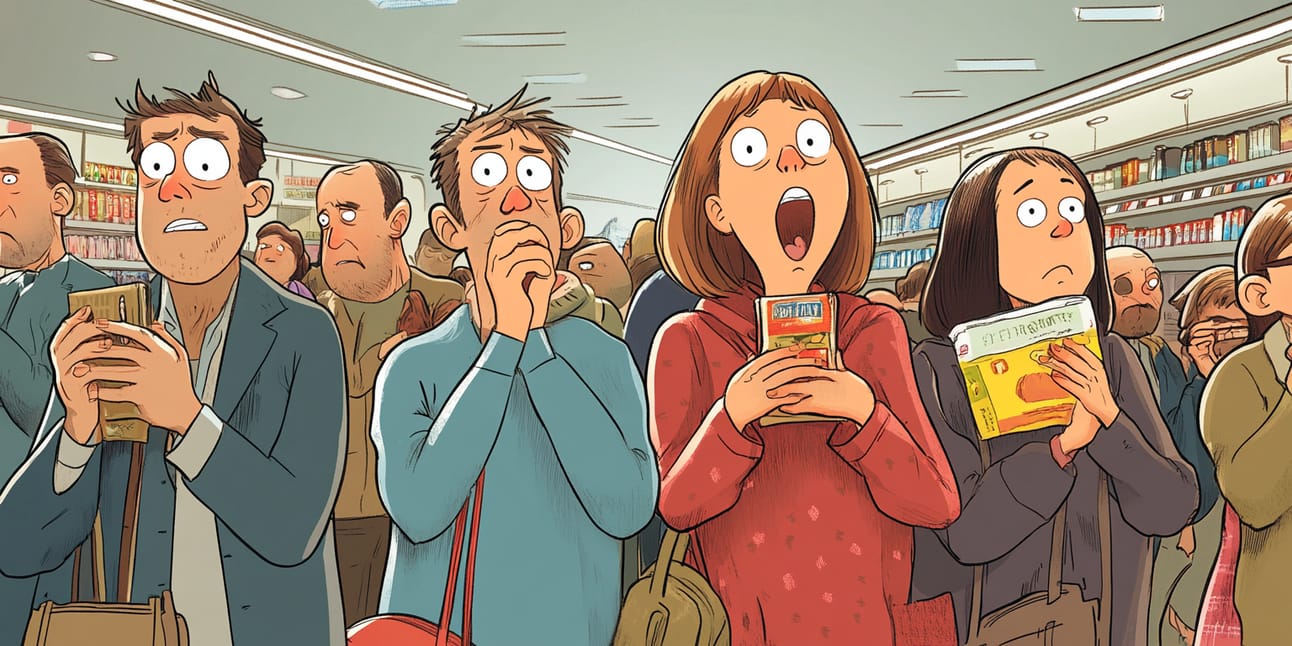
How a Recession Impacts Everyday People (Spoiler Alert: It’s Not Fun)
When a recession happens, everyone feels it, even if you’ve never opened an economics textbook. Here’s how it hits regular folks like you and me:
Jobs: Companies start “restructuring,” which is corporate speak for “Bye, Chad. Collect your plants.”
Prices: Your paycheck stays the same, but somehow milk costs as much as an espresso martini.
Investments: The stock market becomes as reliable as your flaky friend who always cancels plans. Retirement savings? Rollercoaster ride.
Mood: Endless buzzwords like “cutbacks,” “tight market,” and “challenging times” dominate the news. Economic anxiety pairs well with sleepless nights!
It’s like the economy throws a party where only billionaires and bankruptcy lawyers are invited. Fun times, right?
What Can You Do? Practical Tips for Surviving a Recession
You can’t control the economy, but here’s what you can control—your game plan. Channel your inner survivalist with these strategies:
Start Flirting with Budgeting Apps: You don’t need to marry one, but downloading a money tracker can keep your spending in check. Yes, Starbucks counts.
Stockpile (Reasonably): Not bunker-style stockpiling, but consider building an "emergency fund" with 3-6 months’ worth of expenses. Because life loves plot twists.
Polish That Resume: Keep your LinkedIn profile shinier than a new iPhone. Just in case.
Sharpen Your Skills: Online courses are cheaper than a semester at college and infinitely less painful than job hunting.
Avoid Debt Like Unsolicited Emails: High-interest debt will eat your paycheck faster than inflation eats your savings. Keep it low and manageable.
And remember, while a recession can be hard, it’s also temporary. Economic downturns are like bad karaoke nights—you’ll cringe, but eventually, they end.
Recession Recap (Or, Why Economists Are Basically Just Guessing)
Some economists claim this year won’t have a recession. Others say it might. And a few are hedging bets with “Who knows?” It’s enough to make you want to flip a coin—even though that coin might be worth less tomorrow.
At the end of the day, the recession might be like Bigfoot—there’s evidence it’s out there, but no one has definitive proof. Stay prepared, stay calm, and maybe pour yourself a glass of wine. (Unless, of course, wine prices start skyrocketing too. Then we riot.)
Original article inspired by “The Recession That Never Was Could Be Coming This Year” by Andy Serwer.
Reply